|
WHAT
AM I?
I
can be backward,
forward, curved, or
straight. If I spin the
wrong way, I still work
hard—but not very well.
What
am I?
See
Answer Here
|
|
|
INDUSTRIAL
FANS AND BLOWERS
|
|
|
Key
Differences and
Technical
Importance
The
primary
distinction between fans
and blowers
lies in
their pressure
ratio—the ratio of
discharge pressure to
suction pressure:
-
Industrial
Fans:
Move
large volumes of air
at low pressure
(pressure ratio up
to 1.11). They are
typically used for
general circulation
and ventilation.
-
Industrial
Blowers:
Generate
higher pressures
(pressure ratio
between 1.11 and
1.2). They are
designed to push air
through ducts,
pipes, or other
resistant passages
in a focused
direction.
|
|
|
Importance
in Industrial
Applications
|
|
|
Selecting
the wrong fan isn't just
a minor annoyance. In an
industrial
setting, it can
lead to high costs and
safety hazards. Here is
why getting the size and
type right is
critical:
-
Operational
Efficiency: A
fan that is too
large wastes
significant energy,
while one that is
too small won't move
enough air to meet
process
requirements.
Selecting the "sweet
spot" on the fan's
performance curve
ensures maximum
output for the
lowest electrical
cost.
-
Atmospheric
Hazards: Different
"kinds" of fans
handle specific
environments. For
example, you
need explosion-proof fans
for volatile
gases, corrosion-resistant materials
for chemical fumes,
or high-temperature alloys
for kiln exhausts.
Using the wrong type
can lead to
equipment failure or
fires.
-
System
Longevity: If
a fan is improperly
sized for the
ductwork's static
pressure, it can
experience stall
or surge. This
causes vibration
that destroys
bearings and motors
prematurely, leading
to expensive
downtime.
-
Noise
and
Comfort: Fans
that are forced to
run at higher speeds
than necessary to
make up for poor
sizing generate
excessive noise,
which can violate
OSHA safety
standards and
fatigue
workers
|
|
|
Worker
Safety and
Health:
-
Contaminant
Removal:
Extract
hazardous fumes,
toxic gases, smoke,
and dust particles
(e.g., from welding,
sanding, or chemical
processes) to
maintain indoor air
quality.
-
Explosion
Prevention:
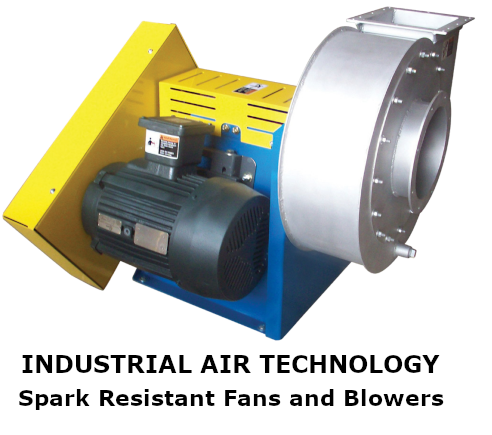
Specialized
explosion-proof fans
and blowers prevent
the buildup of
flammable vapors or
combustible dust,
reducing the risk of
ignition from
electrical
sparks.
-
Regulatory
Compliance:
Their
use is often
mandated by safety
standards
like OSHA and
the AMCA to
ensure a healthy
working
environment.
|
|
|
Temperature
and Climate
Control:
-
Equipment
Protection:
High-powered
fans dissipate heat
generated by heavy
machinery,
preventing
overheating that
could lead to
equipment failure or
costly
downtime.
-
Worker
Productivity:
By
circulating air and
providing
evaporative cooling
(which can lower
perceived
temperatures by up
to 10°F), they
mitigate heat stress
and improve employee
morale and
focus.
-
Thermal
Destratification:
In
winter, fans push
trapped warm air
from high ceilings
down to the floor,
equalizing
temperature and
reducing heating
costs.
|
|
|
Process
Efficiency and Material
Handling:
-
Pneumatic
Conveying:
Blowers
provide the
high-pressure
airflow needed to
transport bulk
materials like
grains, powders,
plastic pellets, and
sawdust through
enclosed
pipelines.
-
Drying
and
Curing:
They
facilitate rapid
drying of products,
such as food items,
agricultural goods,
or industrial
coatings, by
constantly moving
air across
surfaces.
-
Combustion
Support:
Blowers
supply the precise
volume of air
required for
efficient fuel
combustion in
boilers, furnaces,
and
incinerators.
|
|
Environmental
Protection
Fans
and blowers are integral
to air pollution control
systems, carrying
pollutants into
filtration or scrubbing
units before clean air
is released into the
atmosphere.
|
|
|
To
properly select and size
a blower or fan for your
custom application,
contact your TEC
representative.
|
|
|
Industrial
Air Technology
(IAT)
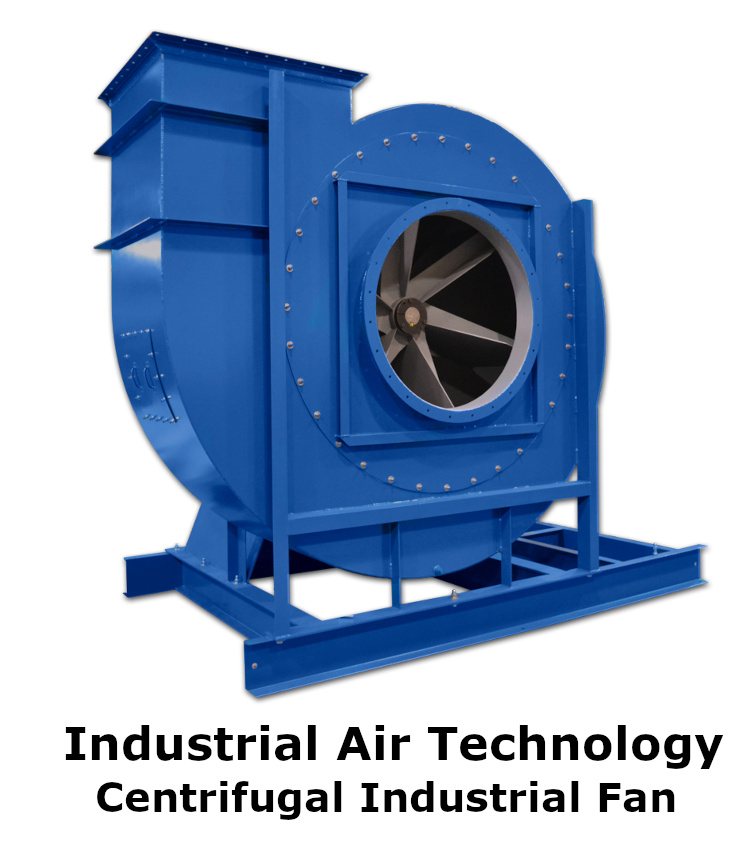
IAT
offers centrifugal
industrial fans and
blowers including
backward inclined fans,
backward curved fans,
air foil fans,
industrial exhauster
fans, material handling
fans, trim scrap fans,
radially tipped fans and
high pressure/turbo
series blowers.
Their
accessory
lines include
industrial
dampers, fan silencers,
flexible connectors and
more.
Many of their products
can be manufactured from
corrosion
resistant
stainless-steel
materials, or abrasion
resistant
materials,
depending on the
application
requirements.
|
|
|
|
|